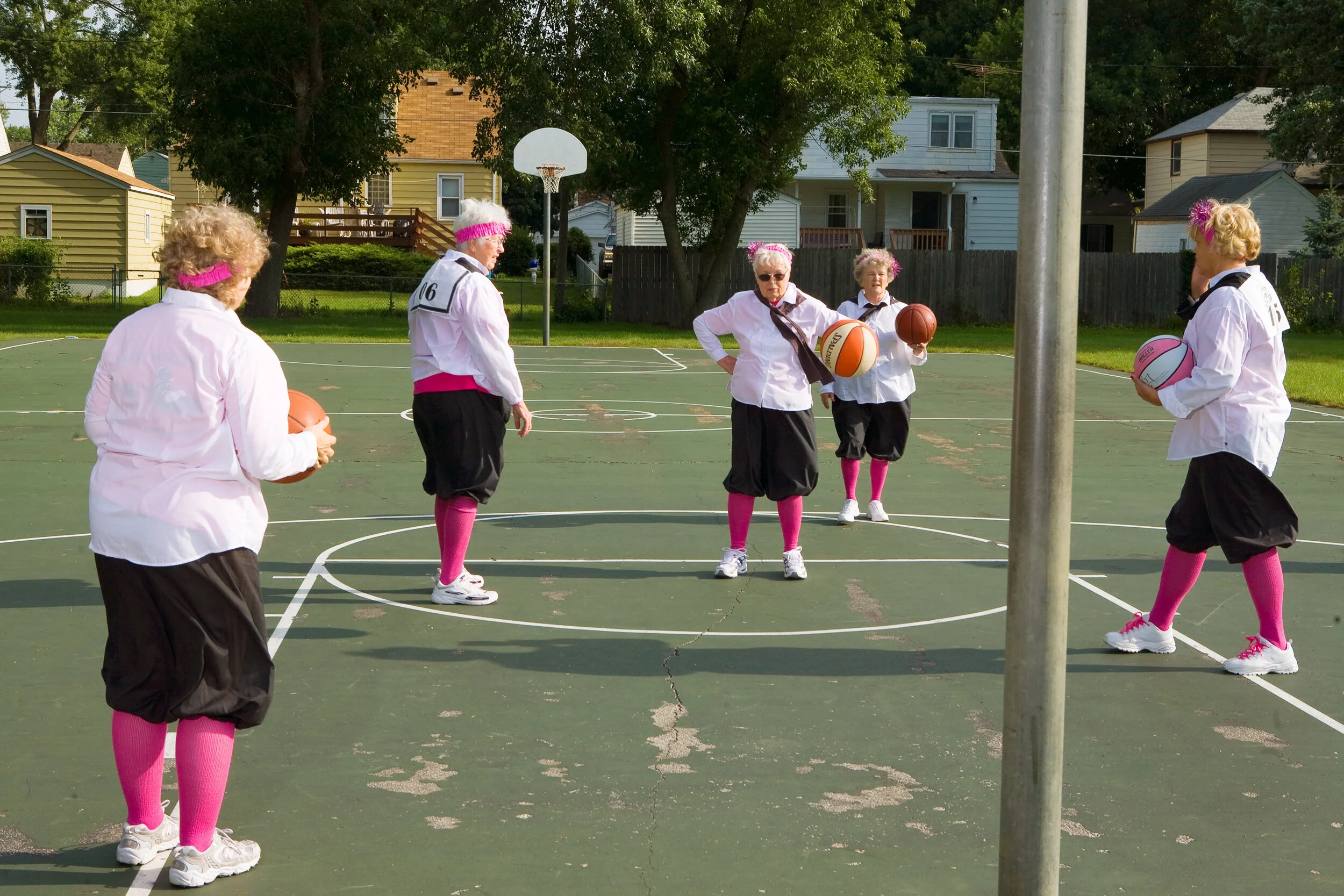
IN THE PINK is a book-length project of documentary photographs about the idea of the color pink in America. The work playfully examines pink as a locus of politics, gender, history and aesthetics.







In the Pink
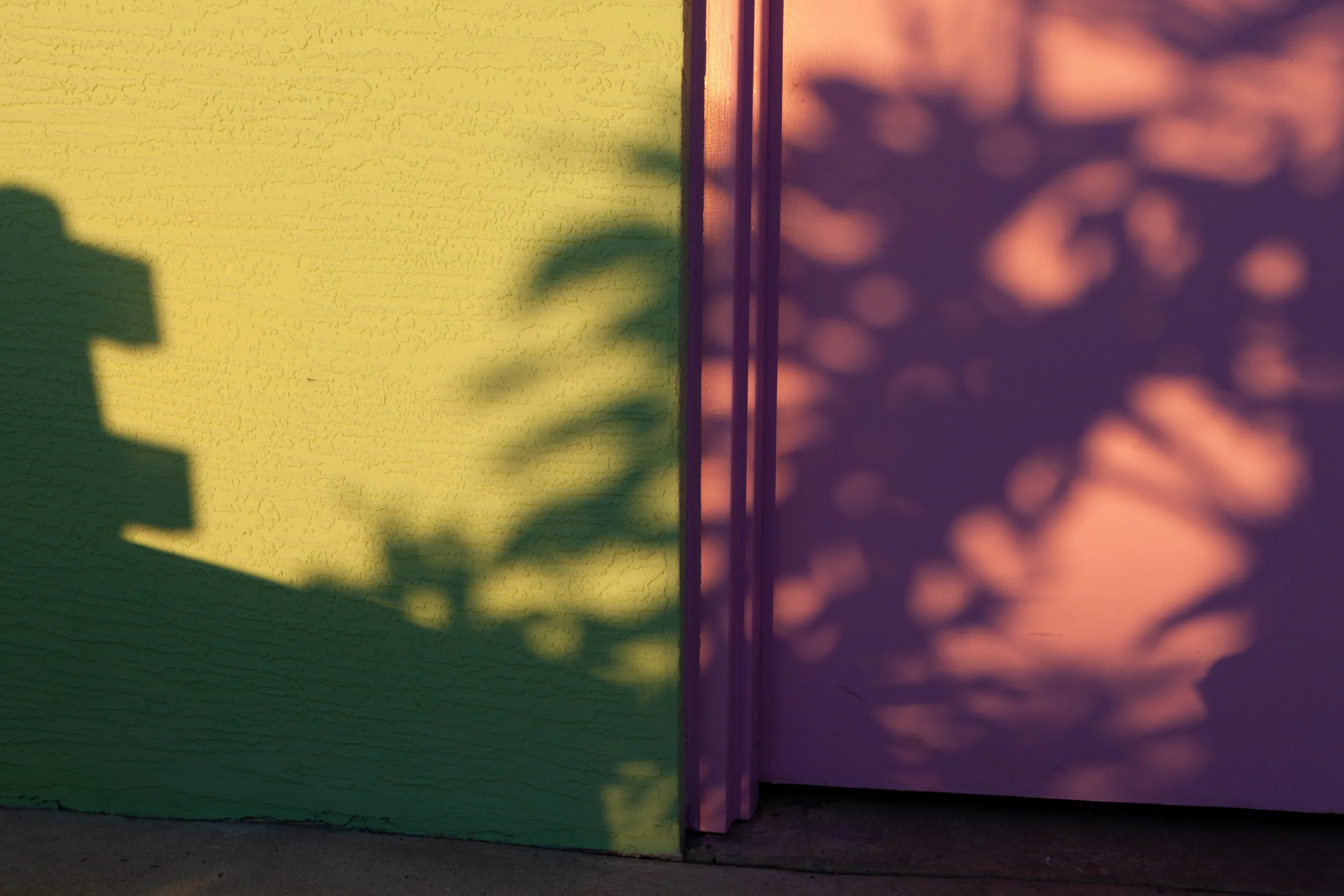
These photographs are part of a book-length documentary project about the idea of the color pink in America. “In the Pink” playfully examines the color pink as a locus of politics, gender, history and aesthetics.
Why pink? It’s a sensational color that stands out, draws our eye, and affects our senses. And it is jam-packed with all kinds of meanings in our culture, many of them conflicting. I was not a fan of the color pink. But I like conflict, I like meaning, and I wanted to work on a project that could be joyful and provocative.
Right from the start, I made a list of connotations: pink means feminine, it means girl, it means female. It connotes innocence, vulnerability, and softness. It can be intimate, romantic, or hot. It can mean powerful, provocative, shocking, aberrant, or sickening (pepto bismol pink), eccentric, defiant, liberating, playful, or plastic. Rare meat is pink. For some people, pink means gay. In pornography it is slang for vagina. Pink is often a gender marker and gender is contested terrain.
The color has a rich political history. “Pinko” or “commie pinko” was a 20th century put-down to anyone sympathetic to the left. The Nazis used a pink triangle to mark gay men and trans women – a pink triangle that gay rights activists turned upside down and re-appropriated as a symbol of pride in the 1970s. That same symbol was immortalized during the AIDS crisis in the Silence=Death posters, completing the transformation of a color symbolizing femininity and used to humiliate, into one of solidarity and defiance.
Here in the 21st century, the color pink wields its power as a transitive idea, a signifier that mutates to reflect changes and paradoxes in our culture. I have photographed ballerinas and pink flamingos and baby girl events, as well as Arizona inmates forced to wear pink boxer shorts, and the renovated pink urinals at the University of Iowa visiting Football locker room, which has been pink since 1979 - ostensibly to calm the opposing team.
The color pink is deeply linked to the breast cancer awareness movement, where all kinds of men embrace pink as a color of love and support for the women in their lives. Feminists, like the anti-war group Code Pink, the singer P!nk, Barbie director Greta Gerwig, and the pink pussy hat activists have reclaimed pink as a color of inclusive feminine power and a protest against patriarchal binaries.
Why is pink for girls and blue for boys? One historian asserts that the pink/blue gender binary was brought into the mainstream in 1927 when an art dealer created a media circus around Henry Huntington’s acquisition of two 18th century British portraits, Thomas Gainsborough’s painting “Blue Boy” and Sir Thomas Lawrence’s “Pinkie.“ An orchestrated media campaign and the commerce of art helped forge an enduring cultural construct. The public loved Pinkie and Blue Boy, popularized for decades in pageants, porcelain figurines, and the ubiquitous kitsch reproductions hung in homes.
Pink still means feminine, but it’s no longer necessarily an implied slap, a ‘dirty word’ as the painter Joan Mitchell said. As a young woman, that’s how I felt, and I kept the color pink at bay. Now I enjoy pink, and I stay tuned to its transformations. Ideas provoked by pink will be contested until it truly becomes okay to be whoever we are. Pink is the color that is more than a color. But it is just our mirror. Pink enlivens the visual landscape, it is fodder for our cultural and political agendas, and it is the color of our insides, all of us.
Smithsonian Magazine The Many Manifestations of the Color Pink by Erin Corneliussen